
News
Inside the 2026 American Music Awards: The Night Pop Culture Shifted Again
May
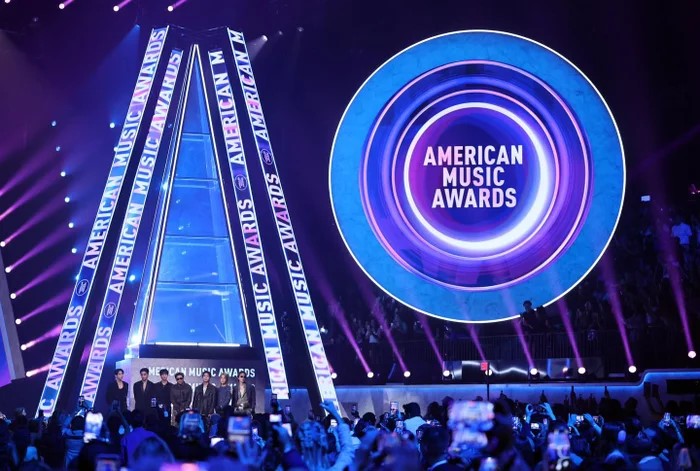
The lights in Las Vegas burned brighter than usual on May 25, 2026.
Not because another awards show rolled into town.
But because the 2026 American Music Awards felt less like a ceremony — and more like a cultural reset.
From BTS reclaiming global dominance to the explosive rise of KATSEYE, from nostalgic reunions that triggered pure millennial chaos to backstage moments fans never saw on television, the AMAs this year became a collision point between generations, genres, internet fandoms, and the future of pop music itself.
And somewhere between screaming fans, neon stage lights, viral acceptance speeches, and surprise reunions, one thing became crystal clear:
The music industry is entering a completely new era.
2026 American Music Awards: A Ceremony Fueled by Fan Culture
Unlike the Grammys, which often position themselves as the industry’s “elite” gatekeepers, the American Music Awards have always belonged to the fans.
The AMAs reflect streaming numbers, fan voting, online engagement, touring power, and digital influence — meaning the winners often reveal where music culture is actually moving in real time.
And in 2026?
That movement looked global, chaotic, emotional, nostalgic, internet-driven, and wildly unpredictable.
Hosted by Queen Latifah at the MGM Grand Garden Arena in Las Vegas, the 52nd annual AMAs blended old-school music television energy with the hyper-online intensity of modern fandom culture.
This wasn’t just an awards show.
It was the internet manifested physically.
BTS Returned — And the Entire Building Changed
BTS at the 2026 AMAs Was More Than a Comeback
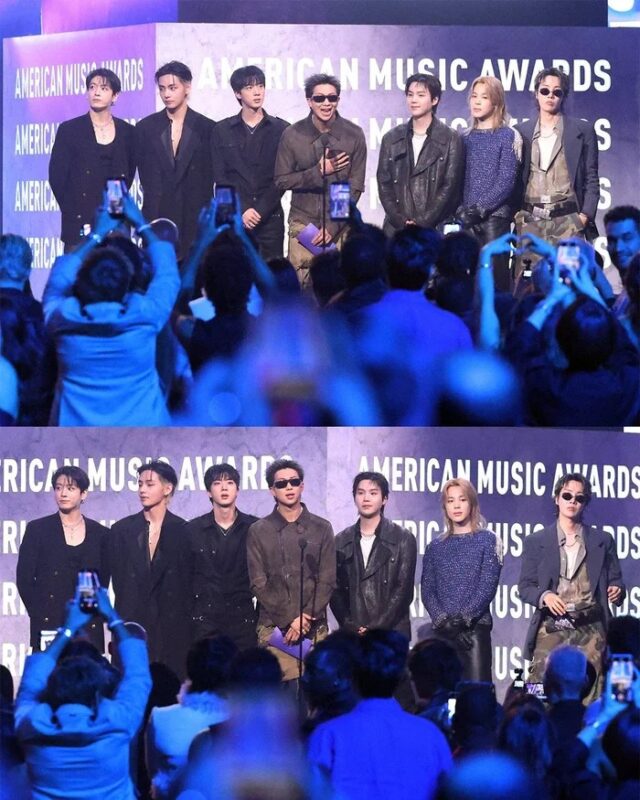
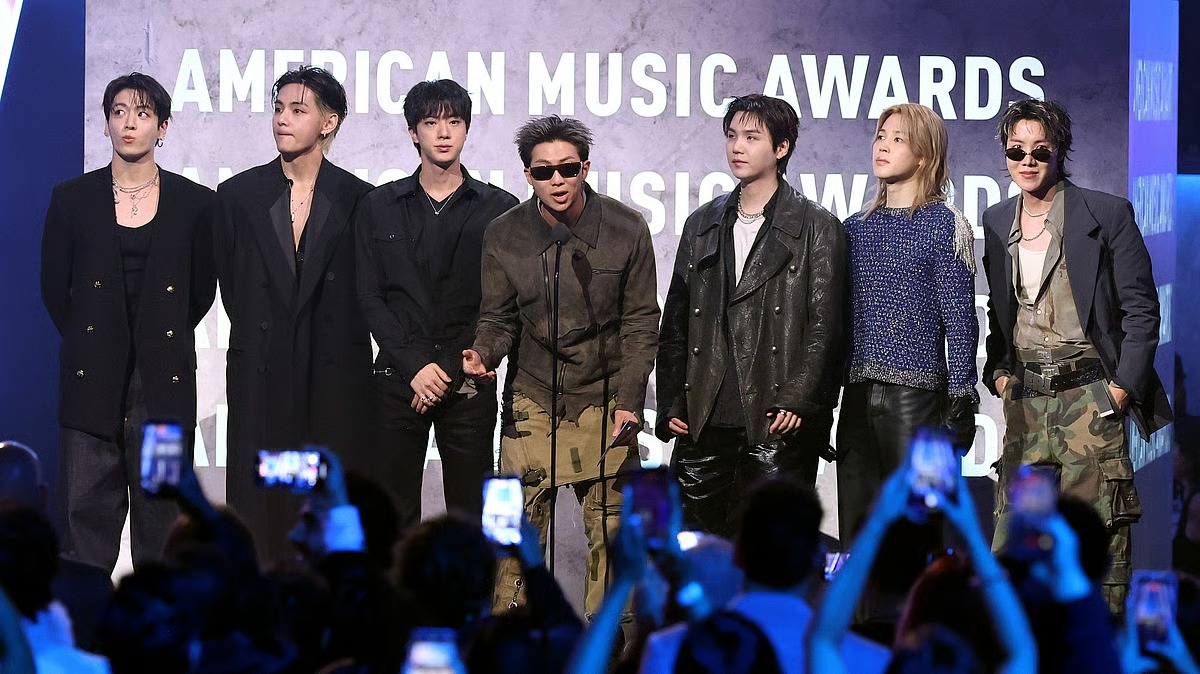
When BTS walked onto the AMA stage for the first time in four years, the atmosphere shifted instantly.
You could feel it.
Fans inside the arena screamed with the kind of emotional intensity normally reserved for historic sports moments. Online, hashtags exploded globally within minutes.
Their opening performance of “Hooligan” wasn’t just polished — it felt symbolic.
A rebirth.
After military service pauses and years of speculation about the group’s future, BTS returned not as a nostalgia act, but as a reminder that they remain one of the biggest forces in modern music.
Winning Artist of the Year, Song of the Summer for “SWIM,” and Best Male K-Pop Artist, the group dominated the night both emotionally and commercially.
But the bigger story wasn’t the trophies.
It was the realization that BTS now exists beyond traditional pop cycles.
They are no longer simply a successful group.
They are infrastructure.
An ecosystem.
A global fan-powered cultural machine.
And the AMAs became proof that no Western award show can ignore that reality anymore.
The Evolution of K-Pop at American Award Shows
Back in 2017, BTS performing “DNA” at the AMAs felt revolutionary.
In 2026, K-pop no longer looked like a guest inside American pop culture.
It looked like one of its central pillars.
KATSEYE won New Artist of the Year and Breakthrough Pop Artist.
HUNTR/X dominated major categories with “Golden.”
TWICE continued expanding female K-pop representation.
And social media engagement surrounding Korean artists dwarfed nearly every other conversation online throughout the night.
This wasn’t “international crossover” anymore.
This was global pop operating without borders.
KATSEYE, HUNTR/X, and the Rise of Internet-Era Pop
The New Generation of Pop Stars Doesn’t Follow Old Rules
One of the most fascinating things about the 2026 AMAs was how disconnected success now feels from traditional music industry pathways.
Artists no longer need years of radio dominance.
They need communities.
Memes.
Fandom ecosystems.
Algorithmic momentum.
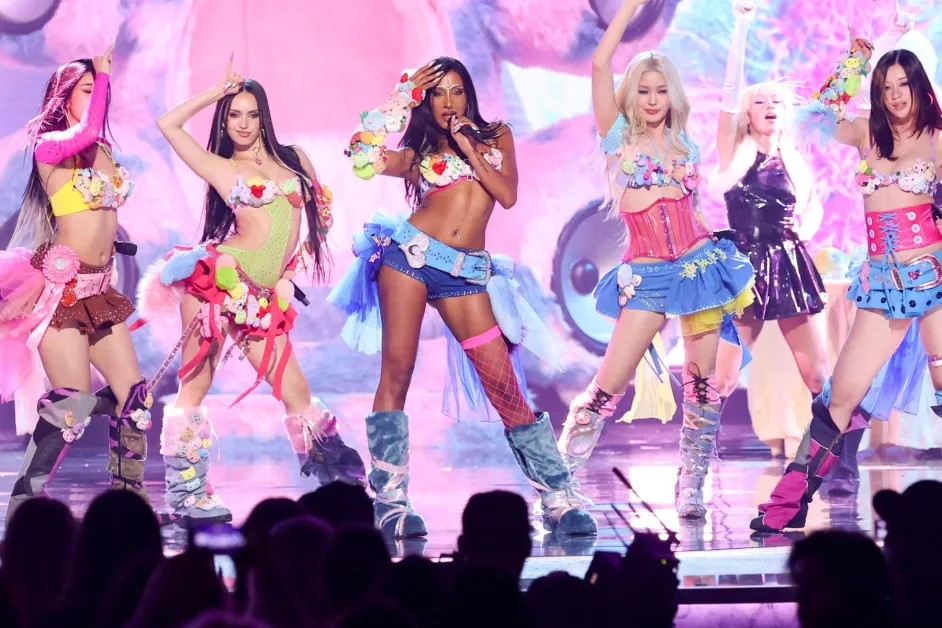
KATSEYE embodied this perfectly.
Their performance felt engineered for both the live audience and TikTok clips simultaneously — sharp choreography, hyper-stylized visuals, meme-ready moments, and instantly shareable fashion.
Meanwhile, HUNTR/X’s “Golden” winning Song of the Year represented something even larger:
The soundtrack era is back.
Songs tied to digital universes, anime aesthetics, gaming culture, and internet fandoms are now competing directly with mainstream radio hits.
And they’re winning.
Why “Golden” Became the Defining Song of the Night
“Golden” wasn’t just another viral hit.
It became a symbol of where modern music consumption is heading.
The song existed across fandom communities, short-form video edits, streaming playlists, gaming clips, fan animations, and social trends simultaneously.
Its AMA victories reflected how younger audiences experience music now:
Not as isolated songs.
But as cultural universes.
The Nostalgia Wave Took Over Las Vegas
The Pussycat Dolls Reunion Sent Millennials Into Meltdown Mode
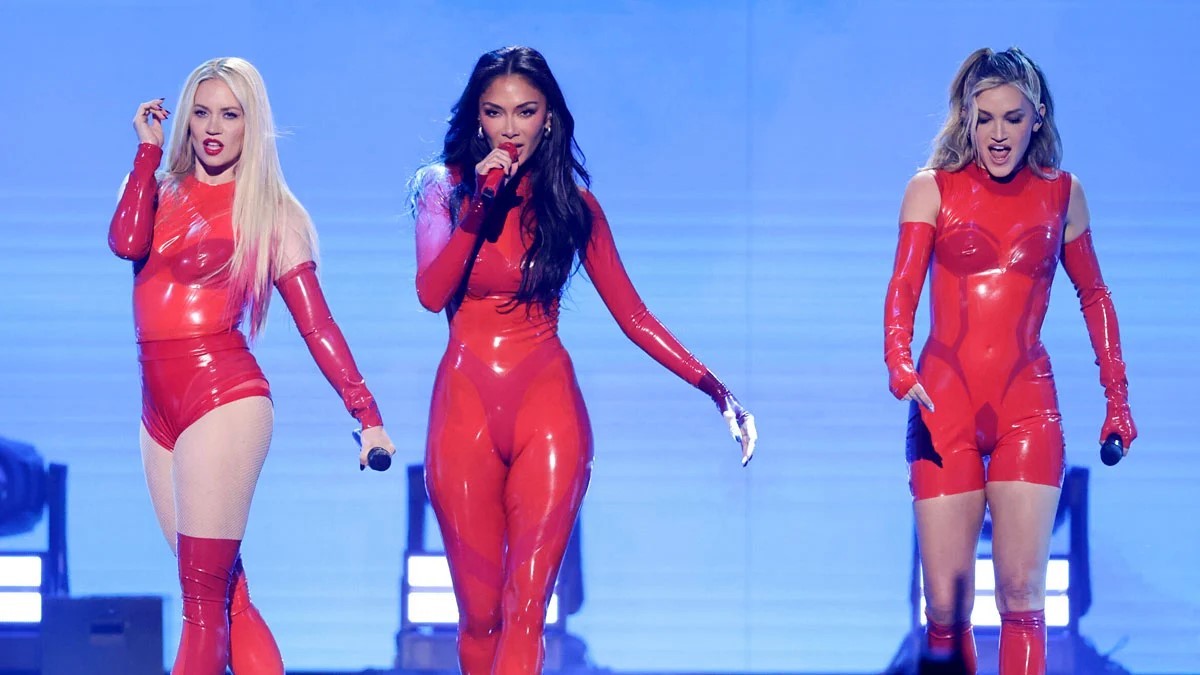
Then came the nostalgia bomb.
The Pussycat Dolls reunited onstage for the first time in years, delivering a performance dripping with Y2K energy, glossy choreography, and pure chaotic confidence.
And suddenly the entire internet transformed into 2006 again.
The reunion wasn’t technically perfect.
That’s why it worked.
It felt messy, loud, glamorous, and human — exactly the kind of imperfect authenticity audiences crave after years of hyper-calculated social media branding.
Meanwhile, Fergie’s reunion with the Black Eyed Peas created another major talking point, especially for longtime pop fans who grew up during the peak blog-era music explosion of the 2000s.
The AMAs understood something powerful this year:
Nostalgia is no longer a side dish in pop culture.
It’s the main event.
Why Music Nostalgia Is Dominating Pop Culture Again
Modern audiences are overwhelmed.
Streaming overload.
Algorithm fatigue.
Constant content cycles.
So nostalgia provides emotional certainty.
Familiar choruses.
Recognizable aesthetics.
Shared cultural memories.
That’s why reunion performances hit harder now than they did a decade ago.
They remind audiences of who they were before the internet fragmented everything.
Taylor Swift’s Empty-Handed Night Sparked Huge Debate
The Biggest Shock of the 2026 AMAs
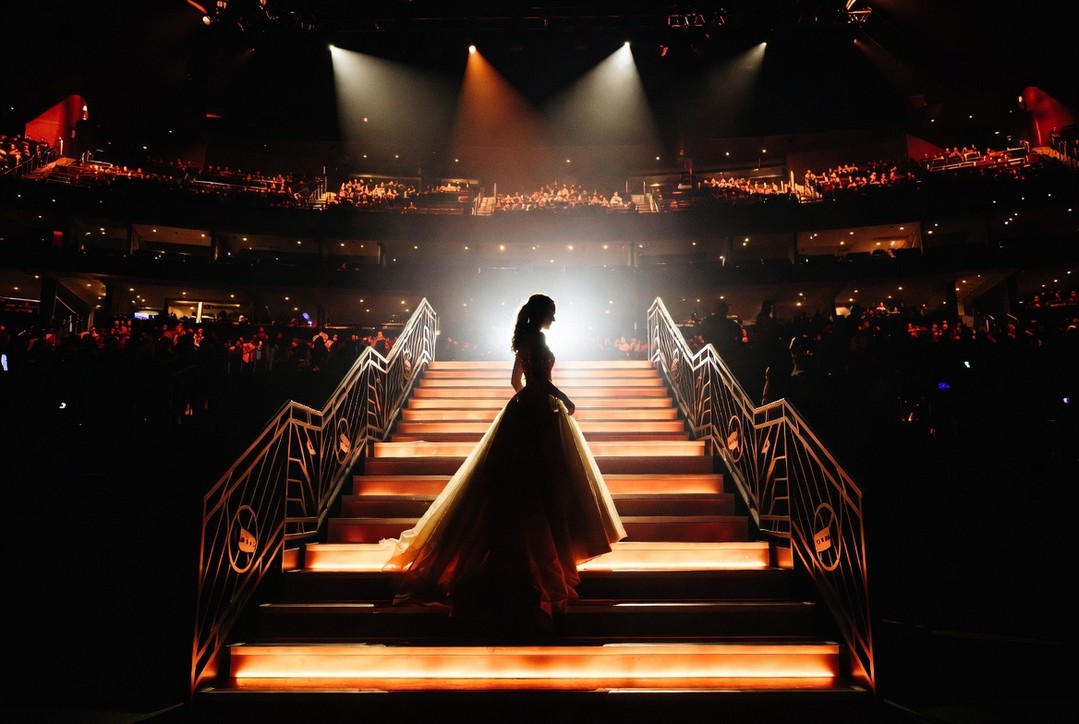
Taylor Swift entered the AMAs with eight nominations.
She left with none.
And immediately, the internet exploded.
Some fans viewed it as a snub.
Others argued it signaled a changing power structure in fan-voted awards shows.
Because here’s the uncomfortable truth many music insiders are beginning to acknowledge:
Global fandom culture has become bigger than individual celebrity dominance.
The fan-voting system now heavily reflects collective digital organization — and communities like BTS ARMY operate at levels few fandoms can match.
For years, Taylor Swift represented the center of online music culture.
But the 2026 AMAs hinted that the center may no longer belong to one artist at all.
Instead, pop culture itself is becoming decentralized.
Fragmented.
Community-driven.
And impossible for any single superstar to fully control.
Queen Latifah Was the Perfect Host for This Era
Why the 2026 AMAs Needed a Veteran Presence
In a night full of digital chaos, Queen Latifah provided grounding energy.
She understood how to navigate nostalgia, humor, modern internet culture, and genuine warmth without feeling forced.
That balance mattered.
Because award shows today exist in a strange space:
Half television event.
Half social media content machine.
Queen Latifah handled both worlds effortlessly.
Her presence gave the AMAs credibility while still allowing the night to feel playful and unpredictable.
Rock Music Still Refuses to Die
Billy Idol, Twenty One Pilots, and the Survival of Rock Energy
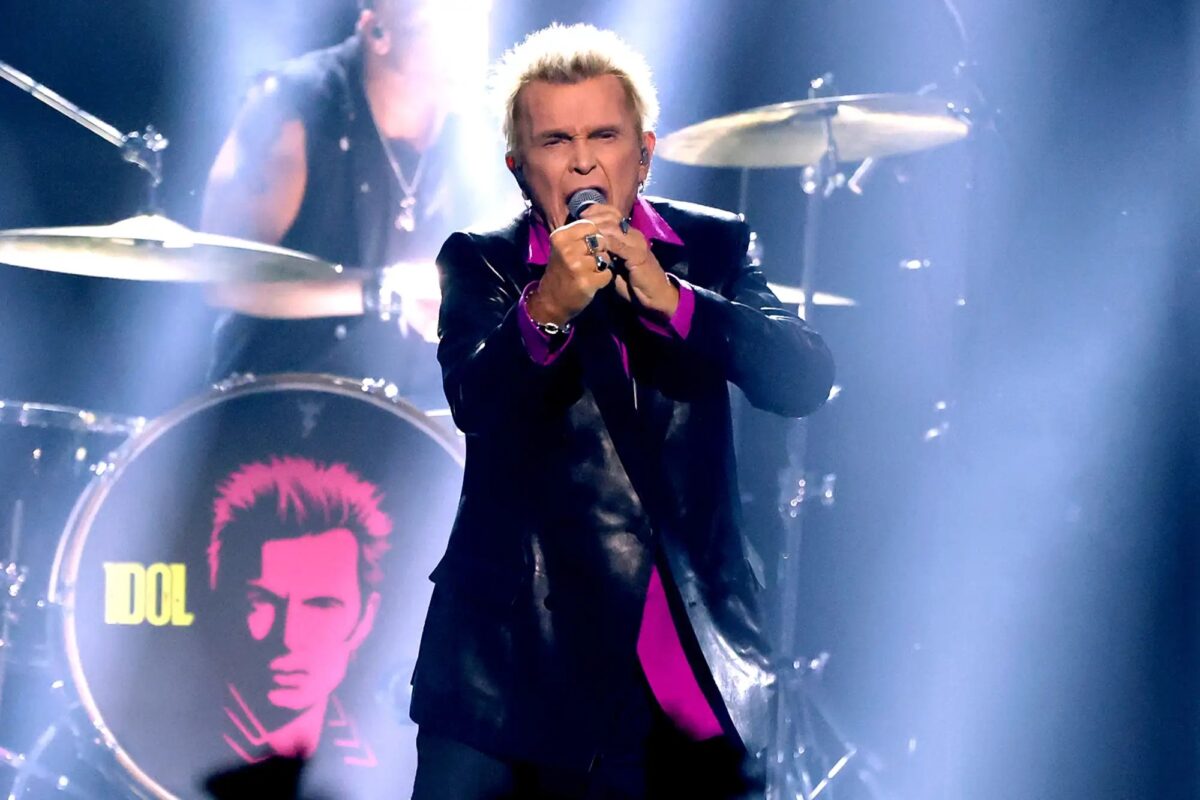
One of the most refreshing elements of the 2026 AMAs was the continued presence of rock and alternative artists inside a heavily pop-dominated landscape.
Billy Idol’s return performance felt legendary.
Not because it was nostalgic alone — but because it reminded audiences how timeless raw stage charisma can be.
Meanwhile, Twenty One Pilots brought cinematic chaos and emotional intensity that cut through the polished atmosphere of the night.
Rock music may not dominate charts the way it once did.
But its influence remains everywhere:
In fashion.
In live performance aesthetics.
In emotional songwriting.
In alternative internet culture.
Rock never disappeared.
It mutated.
Behind the Cameras: The Human Moments Fans Didn’t See
The Real Magic Happened Offstage
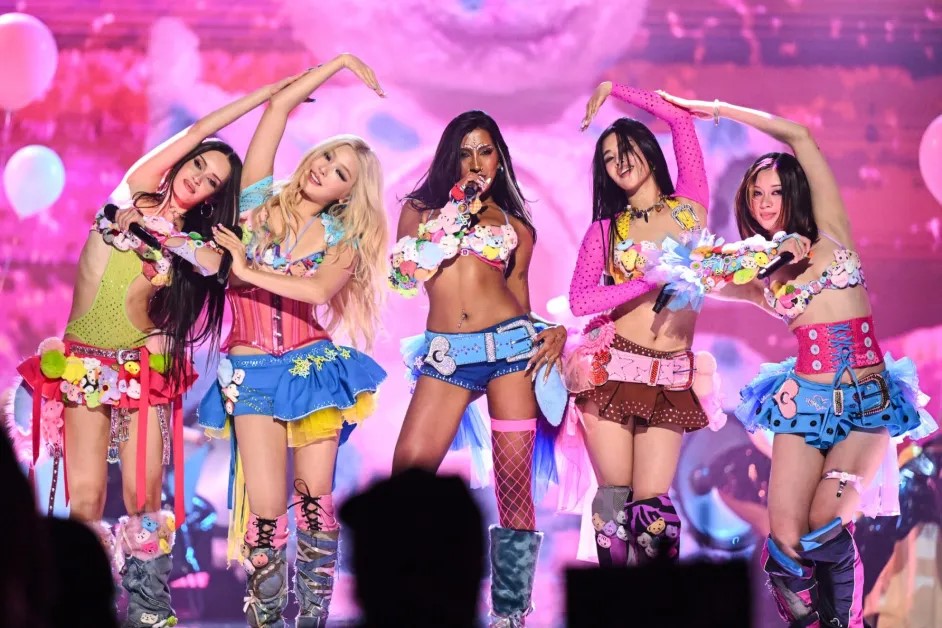
Some of the most memorable AMA moments never aired on television.
Artists cheering for each other backstage.
Unexpected conversations between veteran musicians and Gen Z stars.
Members of KATSEYE visibly emotional after winning.
BTS embracing staff members after their performance.
Veteran artists watching newer performers with genuine admiration.
These moments matter because they reveal something often forgotten in the social media era:
Despite the competition, the branding, and the stan wars, musicians are still fans too.
And for one night, the AMAs became a shared celebration of music itself.
The Future of Award Shows Is Changing Fast
Can Traditional Award Shows Survive the Internet Era?
The 2026 American Music Awards proved something fascinating:
Award shows still matter.
But not for the reasons they once did.
People no longer watch purely to see who wins.
They watch for moments.
Memes.
Fashion.
Chaos.
Unexpected collaborations.
Viral reactions.
Award shows are evolving into live cultural events rather than formal ceremonies.
And honestly?
That evolution may be saving them.
Final Thoughts: The 2026 AMAs Felt Like a Preview of Music’s Future
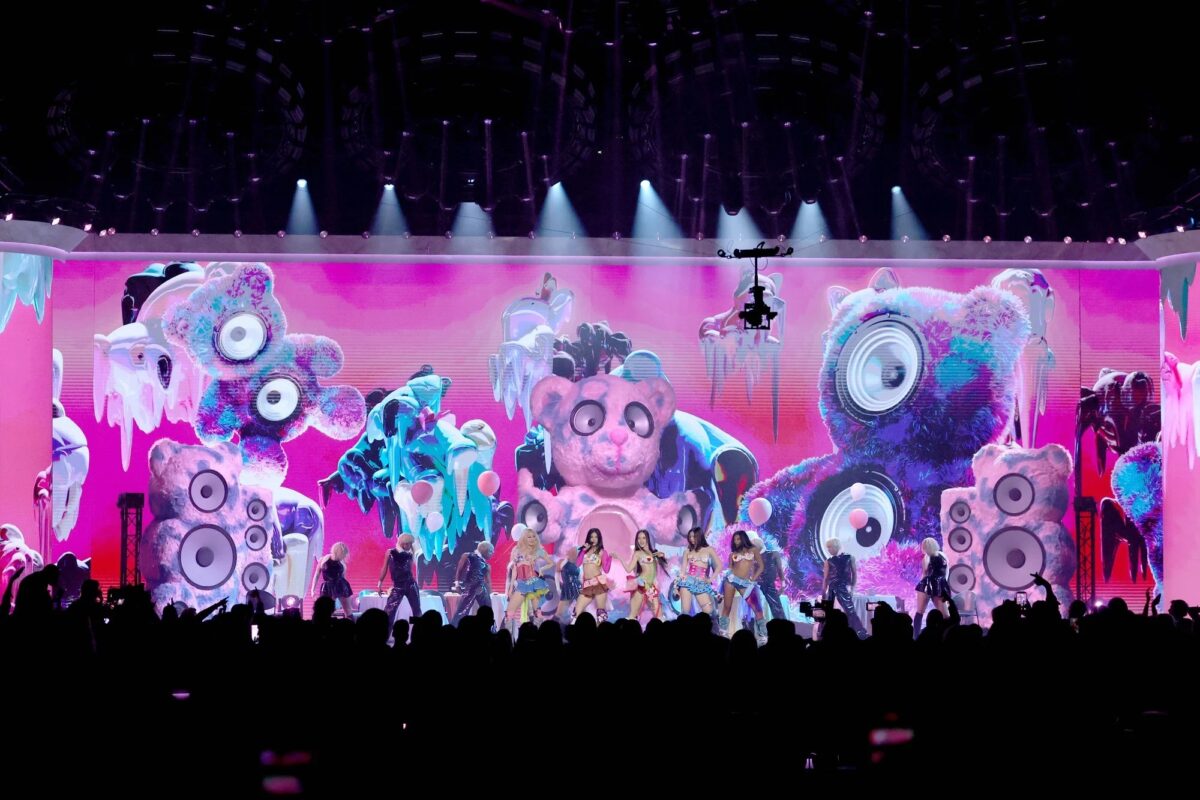
The 2026 American Music Awards weren’t perfect.
They were crowded, chaotic, sometimes awkward, and wildly unpredictable.
Which is exactly why they worked.
Because modern music culture itself is crowded, chaotic, awkward, and unpredictable.
The AMAs captured that energy perfectly.
They showed us a future where:
- K-pop stands beside Western pop as an equal force
- fandoms influence culture at massive scale
- nostalgia and internet virality coexist
- genre boundaries continue collapsing
- award shows become real-time social experiences
Most importantly, the night reminded fans why live music culture still matters.
For a few hours in Las Vegas, millions of people across different countries, generations, and music tastes shared the same emotional experience together.
And in an era where culture often feels fragmented beyond repair, that kind of connection still feels powerful.
Maybe even revolutionary.
What Was Your Favorite Moment From the 2026 AMAs?
Did BTS deserve Artist of the Year?
Was KATSEYE the breakout star of the night?
Did the nostalgia reunions steal the show?
Or do you think award shows need to reinvent themselves completely?
The conversation around the 2026 American Music Awards is only beginning.
